By Brandon Ashworth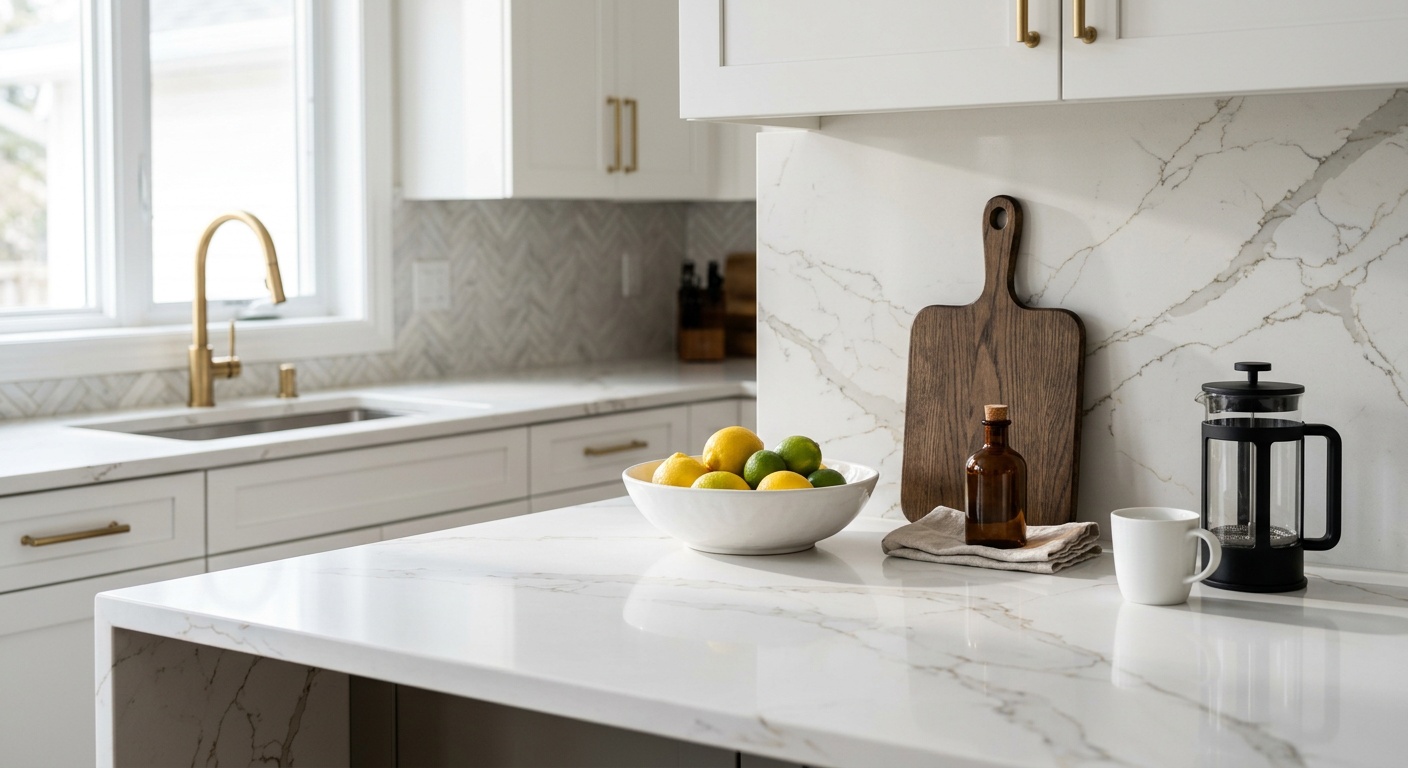
What Adds Value to a House Before You Sell It: A Strategic Seller’s Playbook for 2026
Reading time: 14 minutes
Here’s a scenario most homeowners dread: You’ve listed your home, the first open house comes and goes, and the feedback is a polite but brutal “it felt a little dated.” Meanwhile, your neighbor across the street—who spent three focused weekends upgrading her kitchen hardware and repainting her front door—just accepted an offer $31,000 above asking price.
What’s the difference? Strategic pre-sale investment. Not gut-renovation, money-pit spending. Strategic, targeted, ROI-driven improvements that buyers in 2026 actually care about.
The housing market in 2026 has shifted in fascinating ways. Mortgage rates have settled into a new normal, buyer expectations around sustainability and smart-home technology have matured significantly, and remote work has permanently altered what people prioritize in a home. Sellers who understand these shifts and prepare accordingly are consistently outperforming those who simply list and hope for the best.
This guide cuts through the noise. No vague “declutter and deep clean” advice you’ve heard a hundred times. Instead, you’ll find precise, data-backed strategies, real case studies, and a practical framework for deciding exactly where to put your dollars before you put up that for-sale sign.
Table of Contents
- Why Pre-Sale Investment Strategy Matters More Than Ever in 2026
- Highest ROI Improvements: Where Your Money Works Hardest
- Kitchen and Bathroom Updates That Buyers Actually Pay For
- Curb Appeal: Your Home’s First Impression Is Your Best Investment
- Smart Home and Sustainability Upgrades: The 2026 Buyer’s Checklist
- Common Pre-Sale Mistakes and How to Avoid Them
- Investment Comparison Table
- Frequently Asked Questions
- Your Pre-Sale Action Plan: Closing Stronger in 2026
Why Pre-Sale Investment Strategy Matters More Than Ever in 2026
The 2026 housing market is what analysts are calling a “discerning buyer’s landscape.” Inventory has improved compared to the historic lows of 2021–2023, which means buyers have more choices—and more leverage to be picky. According to the National Association of Realtors’ 2025 Annual Profile of Home Buyers and Sellers, 74% of buyers said they would walk away from a home that required significant immediate repairs, even if the asking price was discounted to reflect those needs.
Translation: Buyers don’t want a project. They want a home that feels ready. They want to move in, open a bottle of wine, and feel like they made the right decision—not immediately budget for a new HVAC system.
This shift in buyer psychology means that strategic pre-sale improvements don’t just raise your sale price—they expand your buyer pool, reduce days on market, and decrease the probability of a deal falling apart during inspection.
“The sellers who do best in today’s market aren’t the ones who spend the most—they’re the ones who spend the smartest. A $4,000 investment in the right place can return $15,000 at closing. A $40,000 investment in the wrong place can return nothing.” — Dana Holloway, Senior Real Estate Strategist, Compass, 2025
The golden rule of pre-sale investing: spend where buyers can see it, feel it, and value it. Invisible upgrades—like a brand-new sewer line—are worth doing to pass inspection, but they won’t add to your sale price. Visible, emotionally resonant improvements absolutely will.
Highest ROI Improvements: Where Your Money Works Hardest
Understanding Return on Investment in Real Estate
Before swinging a hammer or calling a contractor, it’s worth understanding how ROI works in home improvement. ROI in real estate isn’t just about dollars recouped at sale—it’s about speed of sale, buyer competition, and inspection outcomes.
According to Remodeling Magazine’s 2025 Cost vs. Value Report—the most comprehensive annual analysis of home improvement ROI in the U.S.—the top-returning projects for 2025 were largely exterior improvements, followed by select interior updates. Here’s what stood out:
- Garage door replacement: 194% ROI (average cost $4,500; average value added $8,730)
- Entry door replacement (steel): 188% ROI
- Manufactured stone veneer: 153% ROI
- Minor kitchen remodel: 96% ROI
- Deck addition (wood): 83% ROI
These numbers tell a compelling story: exterior projects dominate. The reason is psychological. Buyers form their first emotional impression before they ever step through the front door. A home that looks sharp, well-maintained, and inviting from the street triggers a positive bias that influences every subsequent judgment inside the home.
The Concept of Threshold ROI: Don’t Over-Improve
One of the most common—and costly—mistakes sellers make is over-improving. There’s a concept in real estate called threshold ROI: the point at which additional spending stops generating proportional returns.
Consider this real example: In Austin, Texas in 2025, a homeowner invested $85,000 in a full primary suite addition before listing. The home sold for $62,000 more than comparable properties—but the seller netted a $23,000 loss on the improvement. Had they spent $15,000 on targeted kitchen updates, fresh paint, landscaping, and new flooring instead, comparable market analysis suggests they would have netted an additional $38,000.
The lesson? Know your neighborhood’s ceiling price. Talk to a local real estate agent before spending a dime. Understanding what comparable homes sell for in your area is your single most important piece of intelligence before making any improvement decisions.
Kitchen and Bathroom Updates That Buyers Actually Pay For
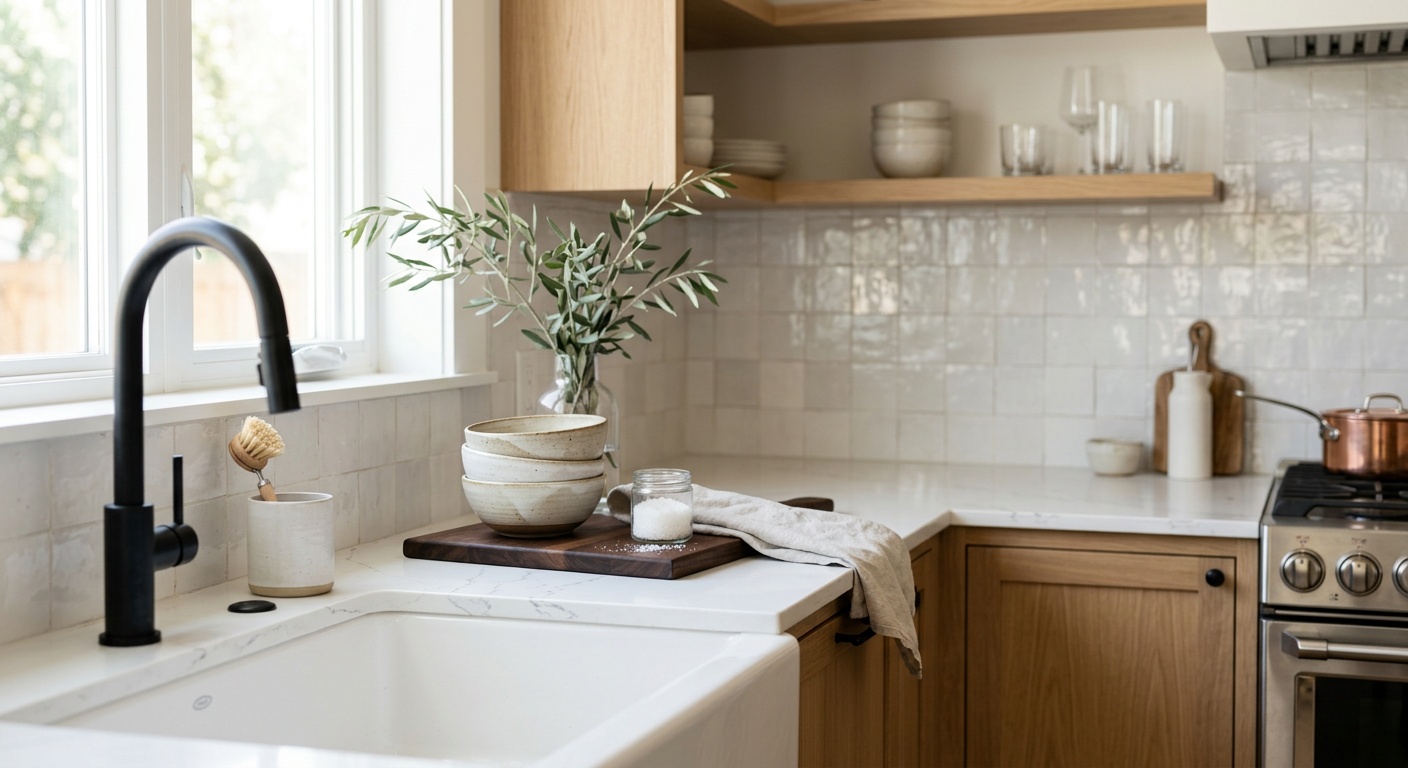
The kitchen and bathrooms are where emotional buying decisions live. Buyers stand in a kitchen and imagine Sunday mornings. They walk into a bathroom and imagine unwinding after a long day. If those spaces feel outdated, cramped, or tired, the emotional engagement drops—and so does your negotiating position.
But here’s the good news: you don’t need to gut-renovate to dramatically improve these spaces. Minor, high-impact updates often outperform full renovations in terms of ROI.
Kitchen Updates With Maximum Impact
Cabinet refacing or repainting: Full cabinet replacement can cost $15,000–$40,000. Repainting existing cabinet boxes and replacing doors and hardware typically runs $3,000–$8,000 and produces a remarkably similar visual result. In 2026, two-tone cabinetry—darker lowers, lighter uppers—continues to resonate with buyers, particularly millennials now in peak buying years.
Countertop replacement: Replacing laminate countertops with quartz (the most buyer-preferred surface in 2026 according to the Houzz Kitchen Trends Survey) runs $2,500–$6,000 for an average kitchen. Quartz signals durability and low maintenance—qualities that resonate deeply with busy buyers.
Appliance cohesion: You don’t necessarily need new appliances, but mismatched finishes are a silent deal-killer. If your range is stainless but your dishwasher is black and your fridge is white, buyers notice. A single matching panel or appliance replacement to create visual harmony can shift perception dramatically.
Lighting upgrade: Outdated overhead lighting makes even beautiful kitchens feel dated. Replacing a fluorescent box fixture with recessed LED lighting or a modern pendant cluster over an island costs $400–$1,200 and transforms the space’s energy entirely.
Bathroom Updates That Move the Needle
Full bathroom renovations are expensive ($10,000–$25,000+) and rarely fully recouped. Instead, focus on these high-leverage updates:
- Vanity replacement: A new floating vanity with an integrated sink and modern faucet ($600–$2,000 installed) completely refreshes a bathroom’s look
- Re-grouting and recaulking: Discolored grout signals neglect to buyers. A professional re-grout of a tiled shower costs $200–$500 and makes a bathroom look significantly cleaner
- Toilet replacement: A dual-flush, water-efficient toilet signals modernity and environmental consciousness—two things 2026 buyers care about. Cost: $300–$600 installed
- Mirror and lighting upgrade: Replace Hollywood-style bulb bars with LED backlit mirrors ($150–$400). The difference is instant and striking
- Fresh paint in on-trend neutrals: Warm greiges, soft sage greens, and creamy whites continue to dominate in 2026 buyer preference surveys
Curb Appeal: Your Home’s First Impression Is Your Best Investment
Studies from the University of Texas at Arlington have consistently shown that homes with strong curb appeal sell for 7–14% more than comparable homes with poor curb appeal. In 2026, with listing photos and virtual tours being most buyers’ first point of contact, curb appeal has extended beyond the physical—your home’s online visual presentation is now equally important.
Landscaping: You don’t need a professional landscape design. Clean, defined beds, fresh mulch, trimmed shrubs, and healthy lawn patches project maintenance and pride of ownership. Budget $500–$2,000 for professional cleanup and planting if doing it yourself isn’t feasible. This routinely returns $3,000–$8,000 in perceived value.
Front door refresh: Your front door is the focal point of every listing photo. Repainting it in a bold, coordinated color (deep navy, forest green, and warm terracotta are strong performers in 2026) costs $100–$300 in materials and signals personality and care. Pairing this with new house numbers and updated exterior light fixtures completes the vignette.
Driveway and walkway condition: Cracked concrete or a weed-filled driveway is immediately subtracted from perceived home value in a buyer’s mental calculation. Pressure washing costs $150–$400 and can restore a driveway dramatically. Crack filling and sealing adds another $200–$500 and signals proactive maintenance.
Case Study — Chicago Suburbs, 2025: A 1990s colonial home sat on the market for 47 days with minimal interest. The sellers invested $4,200 in targeted curb appeal improvements: lawn reseeding, mulch refresh, new shutters, front door repaint, and an updated mailbox and house numbers. Relisted with fresh professional photography, the home received three offers within nine days and sold $18,500 above the original asking price. Total ROI on curb appeal investment: approximately 440%.
Smart Home and Sustainability Upgrades: The 2026 Buyer’s Checklist
This is where 2026 diverges sharply from the market of even five years ago. The millennial and Gen Z buyer cohorts—now representing over 60% of all home purchases according to NAR’s 2026 Q1 report—bring different priorities to the table. They’ve grown up with smart technology and have watched climate concerns reshape daily life. They’re not impressed by smart home features—they expect them. And they’re beginning to actively walk away from homes that feel environmentally irresponsible.
Smart thermostat: A Nest or Ecobee thermostat costs $150–$300 installed and is one of the highest-perception-to-cost upgrades available. It signals tech-savviness and energy efficiency simultaneously. In 2026, homes without programmable smart thermostats feel noticeably behind.
Energy-efficient windows: This is a larger investment ($8,000–$15,000 for a full house), but in climates with extreme seasonal variation, buyers are increasingly asking specifically about window age and efficiency ratings. If your windows are over 20 years old, this may be worth addressing—or at minimum, be prepared to see it flagged in negotiations.
Solar panels: The calculus on solar has shifted. In 2026, owned solar panels (not leased—this is critical) consistently add value. According to Zillow’s 2025 market analysis, homes with owned solar systems sold for an average of 4.1% more than comparable non-solar homes. Leased systems, however, can complicate sale transactions and should be handled carefully.
Smart lighting and locks: Keypad or app-enabled smart locks ($200–$400) and smart light switches ($50–$150 per room) are low-cost signals that buyers notice. They’re not going to add $10,000 to your sale price, but they create a cumulative impression of a home that’s been thoughtfully maintained and modernized.
EV charging capability: With EV adoption continuing its sharp climb through 2026, a Level 2 EV charger in the garage ($800–$1,500 installed) is increasingly moving from “bonus feature” to “expected infrastructure” in many markets, particularly in California, the Pacific Northwest, and urban Northeast corridors.
Common Pre-Sale Mistakes and How to Avoid Them
Knowing what to do is half the equation. Knowing what not to do is equally valuable—and often more expensive to learn the hard way.
Mistake #1: Ignoring deferred maintenance in favor of cosmetic upgrades. A fresh coat of paint cannot hide a leaking roof. Buyers’ inspectors will find every deferred maintenance issue, and each one becomes a negotiating chip. Prioritize functional systems—roof, HVAC, electrical panel, plumbing—before cosmetic improvements. A pre-listing inspection ($400–$600) gives you a complete picture and allows you to address issues proactively rather than reactively during contract negotiations.
Mistake #2: Choosing personal taste over buyer-neutral choices. You may love bold wallpaper and statement colors, but personalized design choices narrow your buyer pool. A 2025 survey by the National Association of Realtors found that 62% of buyers said they would reduce their offer on a home that felt “too personalized” and would require redecorating. Neutralize before you list. Save the personality for your next home.
Mistake #3: Neglecting odor neutralization. This one is uncomfortable to discuss, but critical. Pet odors, cigarette smoke, and musty smells are among the most common deal-killers in real estate—and homeowners are often the last to notice them. Professional deep cleaning, ozone treatment, and replacing affected flooring or subfloor if necessary can be the difference between a full-price offer and a lowball. Budget $500–$2,000 depending on severity. It is always worth it.
Mistake #4: Skipping professional photography. In 2026, your listing’s first showing is online—always. Amateur listing photos cost you buyers before they ever schedule a showing. Professional real estate photography costs $200–$500 and dramatically improves listing engagement. Many top agents include it in their service; if yours doesn’t, insist on it or pay for it yourself.
Investment Comparison Table: What’s Worth It Before You Sell
| Improvement | Avg. Cost (2026) | Avg. Value Added | Approx. ROI | Priority Level |
|---|---|---|---|---|
| Garage Door Replacement | $4,500 | $8,700 | 193% | High |
| Minor Kitchen Remodel | $27,000 | $26,000 | 96% | Medium-High |
| Curb Appeal Landscaping | $2,000 | $6,500 | 325% | High |
| Major Bathroom Addition | $58,000 | $35,000 | 60% | Low |
| Smart Home Package (basic) | $1,500 | $3,800 | 253% | High |
Sources: Remodeling Magazine Cost vs. Value Report 2025; Zillow Research 2025; NAR Market Trends 2026 Q1
ROI Visualization: Pre-Sale Improvements at a Glance
Here’s a quick visual breakdown of approximate ROI percentages for key pre-sale improvements:
Frequently Asked Questions
How much should I spend on pre-sale improvements?
A commonly cited industry benchmark is to spend no more than 1–3% of your home’s current market value on pre-sale improvements. For a $400,000 home, that’s $4,000–$12,000. However, this is a guideline, not a rule. The more important factor is your local market: in a highly competitive seller’s market with low inventory, you can often spend less and still achieve strong results. In a buyer’s market with more competition, strategic investment becomes more critical. Always consult a local real estate agent before finalizing your improvement budget—they have market-specific insight that no national guide can fully replace.
Is it better to sell as-is or make improvements first?
This depends on three factors: the condition of your home, your local market dynamics, and your personal timeline and financial position. Selling as-is can make sense when your home is in a high-demand market, when you’re facing time constraints, or when the cost of improvements would exceed the value they’d return. However, as-is listings in 2026 typically attract investors and flippers—who will offer well below market value to build in their profit margin—rather than traditional buyers paying top dollar. For most sellers in average market conditions, targeted improvements yield a better net outcome than accepting a discounted as-is sale price. A pre-listing inspection can help you make this decision with full information rather than guesswork.
What improvements do buyers in 2026 specifically prioritize?
Based on NAR buyer surveys and Zillow market research through 2025 and early 2026, the top buyer priorities have shifted meaningfully. Energy efficiency is now a primary consideration rather than a bonus—buyers want low utility costs and environmental credibility. Move-in readiness remains paramount; buyers are overwhelmingly unwilling to take on immediate repair projects. Home office functionality has remained a strong priority since the remote work revolution, with dedicated, well-lit workspace now outranking formal dining rooms in buyer preference surveys. Smart home integration (security, thermostats, lighting) is increasingly expected rather than impressive. And finally, outdoor living space continues to punch well above its construction cost in buyer valuation, particularly in suburban and exurban markets.
Your Pre-Sale Action Plan: Closing Stronger in 2026
You’ve absorbed the data, the case studies, and the strategic framework. Now let’s compress it into a practical roadmap you can execute starting today.
Here’s your prioritized pre-sale checklist:
- ✅ Step 1 — Get a pre-listing inspection ($400–$600): Know exactly what you’re working with before a buyer’s inspector does. Address any red-flag issues proactively.
- ✅ Step 2 — Neutralize and depersonalize: Fresh neutral paint throughout, carpet cleaning or replacement, odor treatment. This is your foundation—everything else builds on it.
- ✅ Step 3 — Attack curb appeal: Landscaping, front door repaint, pressure washing, updated exterior fixtures. Budget $1,500–$3,500 and expect to return 2–4x that investment.
- ✅ Step 4 — Refresh kitchen and bathrooms with targeted updates: Hardware, fixtures, lighting, countertops if budget allows. Avoid full renovations unless the space is truly non-functional.
- ✅ Step 5 — Add smart home basics: Smart thermostat, smart locks, clean up any dated technology. Budget $500–$1,500 for a cohesive modern technology impression.
- ✅ Step 6 — Invest in professional photography and staging consultation: Your online listing is your first showing. Treat it accordingly.
The broader trend reshaping real estate in 2026 is clear: buyers are more informed, more specific in their expectations, and less willing to negotiate on basics than at any point in recent memory. The sellers who understand this and prepare accordingly aren’t just getting higher prices—they’re getting cleaner offers, fewer inspection contingency battles, and faster closings.
Here’s the question worth sitting with as you plan your next steps: What is one improvement you could make this weekend—with a budget under $500—that would make your home feel genuinely more welcoming to a buyer seeing it for the first time? Start there, build outward, and you’ll be surprised how dramatically a series of small, intentional decisions can transform your sale outcome.
Your home has value. The goal is to make sure buyers can clearly see it—before they ever make an offer.