By Brandon Ashworth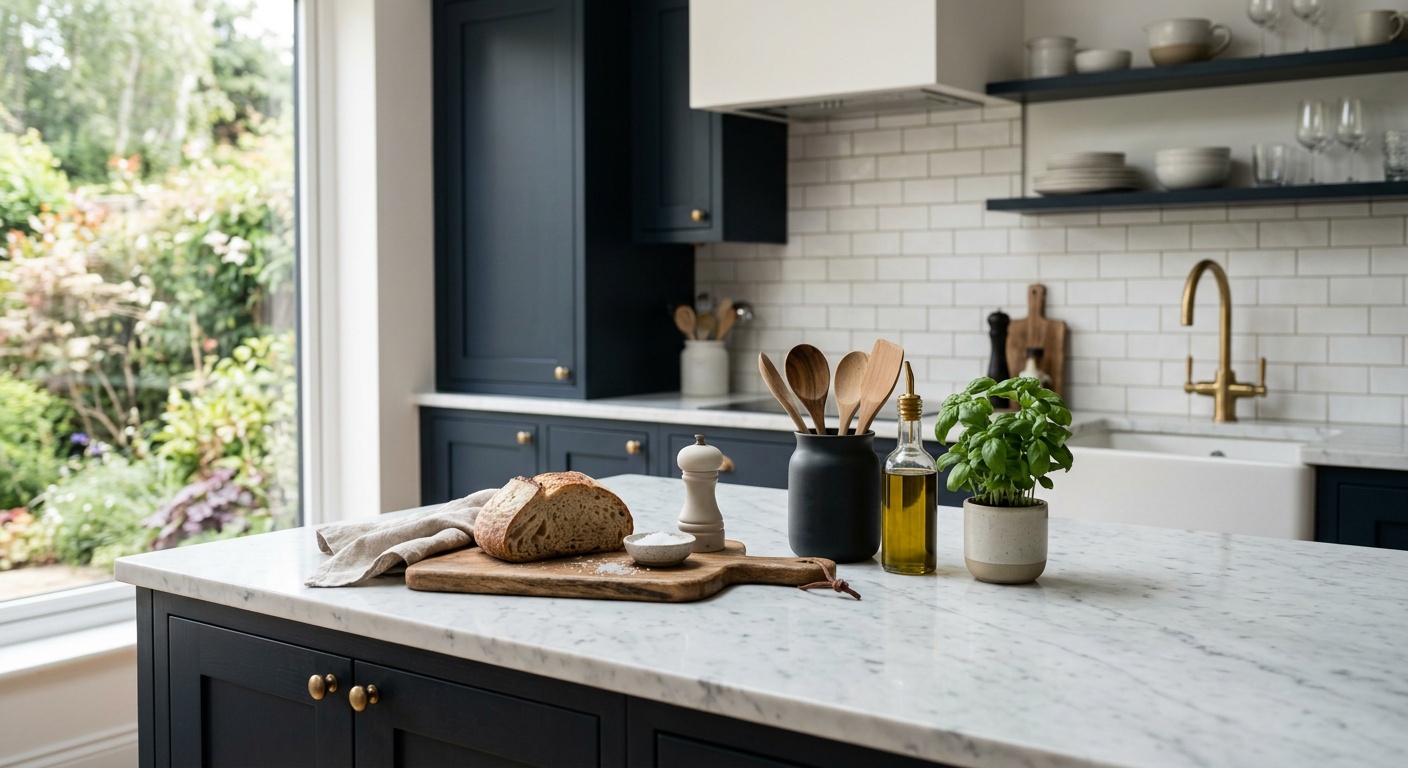
What Home Improvements Add the Most Resale Value to Your House
Reading time: 14 minutes
You’ve probably stood in your kitchen at some point, looked around, and thought: “Should I renovate this before selling?” Maybe you’re eyeing that dated bathroom, the cracked driveway, or the basement that’s been collecting dust for a decade. The question isn’t whether to improve — it’s which improvements actually pay off.
Here’s the straight talk: Not every renovation dollar comes back to you at closing. In 2026’s evolving real estate market, where buyers are smarter, more tech-savvy, and increasingly eco-conscious, knowing where to invest your renovation budget is the difference between breaking even and walking away with a significant profit.
Let’s cut through the noise and get precise about what actually moves the needle on resale value — backed by current data, real examples, and actionable strategies you can start using today.
Table of Contents
- Why Strategic Renovations Matter More Than Ever in 2026
- The Top Home Improvements That Maximize Resale Value
- Kitchen Upgrades: The Undisputed Champion
- Bathroom Renovations: Small Space, Big Returns
- Curb Appeal and Exterior Upgrades
- Energy Efficiency: The 2026 Buyer’s Priority
- Smart Home Technology
- Common Renovation Mistakes That Kill ROI
- Quick Comparison: Cost vs. Value at a Glance
- Frequently Asked Questions
- Your Resale Renovation Roadmap
Why Strategic Renovations Matter More Than Ever in 2026
The U.S. housing market in 2026 is a nuanced beast. After years of post-pandemic volatility, mortgage rates have stabilized in the 5.8–6.4% range, giving buyers a bit more breathing room but keeping competition meaningful in desirable markets. According to the National Association of Realtors (NAR) 2025–2026 Remodeling Impact Report, homeowners who complete targeted renovations before listing recover an average of 68 cents for every dollar spent — but the top-performing projects return well over 100%.
The real shift in 2026? Buyer priorities have fundamentally changed. Remote work normalization means buyers want dedicated office spaces. Rising energy costs have made efficiency upgrades non-negotiable. And Generation Z buyers — now a significant portion of first-time purchasers — place enormous value on smart technology and sustainable materials.
“The days of over-improving and expecting the market to catch up are gone. Today’s sellers need to think like investors — targeted, data-driven, and buyer-centric.” — Sandra Meyers, Senior Real Estate Analyst, Zillow Research Division, 2025
Understanding your local market is equally critical. A luxury kitchen remodel might yield 85% ROI in Seattle or Austin, but only 55% in a rural Midwestern market. The principles we’ll cover here apply broadly, but always validate against your specific ZIP code data before committing budgets.
The Top Home Improvements That Maximize Resale Value
Before we dive into specifics, here’s the core framework for evaluating any renovation’s resale potential:
- Cost vs. Value Ratio: What percentage of your investment do you recoup at sale?
- Buyer Demand: Does this feature appear on most buyers’ must-have lists in your market?
- Time to Completion: Can it be finished before your listing date without delays?
- Risk of Over-Improvement: Will this push your home above neighborhood comps?
- Maintenance Signal: Does it show buyers the home is well cared for?
With that framework in mind, let’s break down the specific improvements that consistently deliver the strongest returns in 2026’s market.
Kitchen Upgrades: The Undisputed Champion
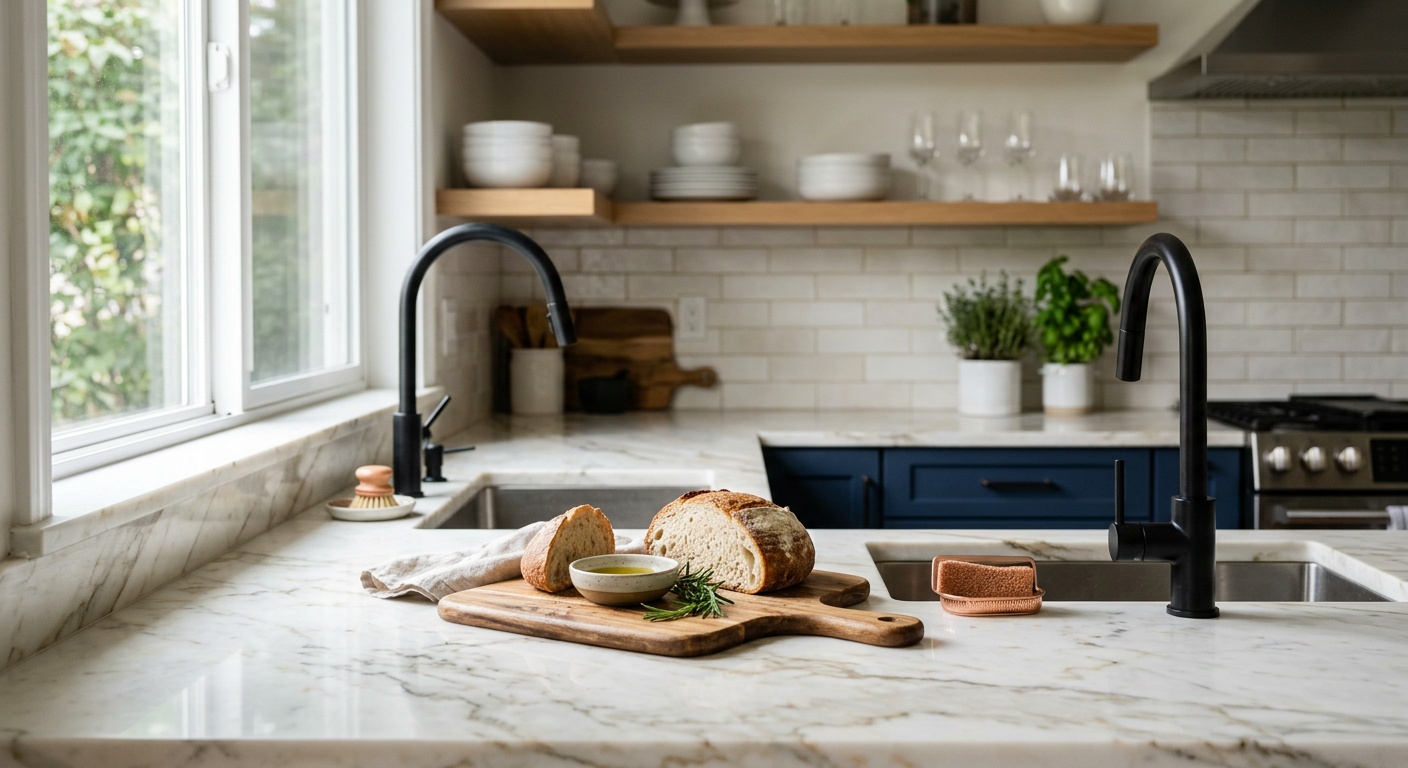
The kitchen remains the single most influential room in a home sale. Buyers spend more time evaluating kitchens than any other space, and a dated or dysfunctional kitchen can be an immediate dealbreaker — even in an otherwise beautiful home.
Minor vs. Major Kitchen Remodels: Which Is Right for You?
Here’s where many homeowners go wrong: they assume “bigger is better” and gut the entire kitchen when a targeted refresh would have served them far better. The Remodeling Magazine Cost vs. Value Report 2025 revealed that minor kitchen remodels (averaging $28,000–$32,000) recoup approximately 87.7% of costs at resale, while major midrange remodels (averaging $82,000–$95,000) recover only about 62.4%.
A minor remodel typically includes:
- Replacing cabinet fronts while keeping existing boxes
- Installing new countertops (quartz remains the 2026 buyer favorite)
- Upgrading to energy-efficient stainless steel appliances
- New hardware, faucet, and sink
- Fresh paint and updated lighting fixtures
Real Example — Chicago Suburb, 2025: A homeowner in Naperville, Illinois invested $26,500 in a minor kitchen remodel — refacing cabinets, installing quartz counters, and adding a tile backsplash. Their home sold for $47,000 above the pre-renovation appraisal within 11 days of listing. That’s an effective ROI of nearly 177% on the kitchen investment alone, according to their listing agent’s pre- and post-renovation analysis.
What Kitchen Features Buyers Prioritize in 2026
Buyer surveys from Houzz’s 2026 Kitchen Trends Report highlight the features that most influence purchase decisions:
- Quartz or stone countertops — cited by 74% of buyers as a high-priority feature
- Under-cabinet LED lighting — increasingly expected as a standard finish
- Soft-close cabinet hardware — a low-cost upgrade with outsized perceived value
- Induction cooktops — gaining traction as gas appliances face regulatory scrutiny in several states
- A functional kitchen island — especially with seating, cited by 61% of buyers under 45
Pro Tip: If your budget is tight, prioritize countertops and cabinet hardware above everything else. These two elements create the strongest first impression and photograph beautifully for listing photos — which is where most buyers make their initial decision in 2026’s digital-first home search environment.
Bathroom Renovations: Small Space, Big Returns
Bathrooms are second only to kitchens in their influence on buyer perception. The good news? Even modest bathroom updates deliver impressive ROI because the space is small, materials costs are contained, and the visual impact is immediate.
Master Bath vs. Secondary Baths: Where to Invest
If you have to choose between upgrading the master bath or a secondary bathroom, the master bath wins — but not by as much as you’d expect. Here’s the breakdown based on 2025–2026 market data:
- Midrange bathroom remodel (any bath): Average cost $12,000–$18,000, average ROI 72.3%
- Master bath upscale remodel: Average cost $35,000–$55,000, average ROI 56.6%
- Bathroom addition (where only 1 bath exists): Average cost $48,000–$65,000, average ROI 63.7%
The most impactful bathroom improvements, ranked by cost-effectiveness in 2026:
- Re-grouting and recaulking — Costs under $500 DIY, signals meticulous maintenance
- New vanity with integrated sink — Modern floating vanities are in high demand
- Walk-in shower conversion — Replacing a rarely-used tub with a tiled walk-in shower adds significant appeal for buyers over 40
- Heated flooring — A luxury upgrade that adds perceived value disproportionate to its cost
- Frameless shower glass — Creates an open, spa-like aesthetic that photographs exceptionally well
Real Example — Austin, Texas, 2025: A seller invested $14,200 renovating a dated secondary bathroom — new vanity, walk-in tile shower, frameless glass, and penny-tile flooring. Their real estate agent credited the bathroom upgrade with helping them secure a full-price offer in a slightly cooling Austin market, where competing listings sat for 30+ days. The renovation effectively eliminated a buyer objection before it could become a negotiation chip.
Curb Appeal and Exterior Upgrades
You never get a second chance at a first impression. Curb appeal improvements consistently rank among the highest-ROI projects because they affect every buyer who drives past or clicks on a listing photo. According to NAR’s 2025 data, homes with excellent curb appeal sell for 7–14% more than comparable homes with poor exterior presentation.
The highest-value exterior improvements in 2026 include:
- Garage door replacement: Consistently one of the top ROI projects — the 2025 Cost vs. Value Report pegs it at 194.4% ROI in many markets. A new steel garage door costs $4,500–$7,500 installed and dramatically changes the home’s facade.
- Entry door replacement: A new steel or fiberglass front door returns approximately 188% ROI according to 2025 industry data. Buyers register the front door within the first seconds of arriving.
- Manufactured stone veneer: Adding stone accents to the lower exterior runs $12,000–$20,000 and recovers an impressive 153.2% in strong markets.
- Landscaping refresh: Professional landscaping adds 5–11% to sale price according to Michigan State University studies — and costs a fraction of interior renovation.
- Exterior paint or siding: Fresh paint is the highest-ROI exterior project — budget $3,500–$8,000 for professional exterior painting and expect near-full recovery at sale.
Quick Scenario: Imagine two identical homes listed on the same street. House A has an original 1998 garage door, overgrown shrubs, and peeling trim paint. House B has a new carriage-style garage door, clean landscaping, and fresh neutral exterior paint. Buyers viewing online listings will click House B at dramatically higher rates — and that increased interest translates directly into offers and price competition. The owner of House B spent approximately $11,000 on those upgrades and created a perception gap worth $25,000–$35,000 in negotiating position.
Energy Efficiency: The 2026 Buyer’s Priority
Energy efficiency has moved from “nice to have” to a primary purchase driver in 2026. With residential energy costs up approximately 23% since 2022 and federal incentives through the extended Inflation Reduction Act provisions making upgrades more accessible, buyers are actively seeking homes with lower operating costs.
Key energy upgrades and their impact:
- Solar panel installation: The Lawrence Berkeley National Laboratory’s 2025 study found solar adds an average of $15,000–$29,000 to home value in sun-rich markets. With the 30% federal tax credit still active in 2026, the net cost to sellers is substantially reduced.
- Insulation upgrades: Adding blown-in attic insulation costs $2,500–$4,500 and recovers 116–124% at resale — one of the most reliable high-ROI investments available.
- HVAC system replacement: A new high-efficiency heat pump system costs $8,000–$14,000 but eliminates a major buyer negotiation point and adds move-in-ready appeal.
- Energy-efficient windows: Double or triple-pane window replacement returns 68–74% of cost — not the highest ROI, but eliminates a significant buyer concern and qualifies for federal rebates in 2026.
- Heat pump water heater: A $1,200–$2,000 upgrade that reduces water heating costs by up to 70% and signals energy-conscious ownership to buyers.
“In our 2025 buyer surveys, 67% of respondents said they would pay a premium for a home with documented lower utility costs. Energy efficiency is no longer a niche preference — it’s mainstream buyer behavior.” — Dr. Kira Lawson, Housing Economics Research, Joint Center for Housing Studies, Harvard University
Smart Home Technology
Smart home features are increasingly becoming a differentiator in competitive markets, particularly for buyers under 45. However, not all tech upgrades are equal in their resale impact. The key is integrating technology that genuinely enhances livability rather than gimmicks that confuse buyers.
The smart upgrades with proven resale value in 2026:
- Smart thermostat (e.g., Ecobee, Google Nest): A $250–$400 investment that signals energy efficiency and modern ownership. Nearly universally appealing.
- Smart doorbell and security system: Ring, Nest, and similar systems are expected features in many price brackets. Budget $800–$2,500 for a basic system and camera setup.
- Whole-home EV charging: A Level 2 EV charger installation costs $1,200–$2,800 but is rapidly becoming a must-have as EV ownership crosses 18% of U.S. households in 2026. In premium markets, its absence is a growing listing weakness.
- Smart lighting and automated shades: These add to the premium feel of a home without significant cost — typically $2,000–$5,000 for a meaningful implementation.
Word of caution: Overly complex smart home systems that require proprietary apps or are difficult to hand off to new owners can actually become buyer objections. Stick with mainstream, widely recognized platforms that buyers will feel comfortable inheriting.
Common Renovation Mistakes That Kill ROI
Knowing what not to do is just as valuable as knowing what works. Here are the renovation traps that consistently destroy returns:
Over-Improving for Your Neighborhood
Installing a $70,000 chef’s kitchen in a neighborhood where comparable homes sell for $280,000 is the most classic ROI killer. The market will only support pricing in line with neighborhood comps — no matter how impressive your renovation. Always research your area’s price ceiling before committing to premium upgrades.
Highly Personalized Renovations
Bright accent walls, unconventional tile choices, or custom built-ins designed for your specific lifestyle can actually reduce buyer interest. Neutral, broadly appealing finishes consistently outperform personal expression when selling is the goal. Think “hotel lobby neutral,” not “my personality.”
DIY Projects That Signal Poor Quality
Buyers in 2026 have access to renovation content on YouTube and Instagram — they know what professional work looks like. Amateur tile work, uneven drywall patches, or wobbly cabinet installations create a perception of deferred maintenance that buyers price in aggressively during negotiation.
Ignoring the Basics for Flashy Upgrades
Buyers who fall in love with a new kitchen will still walk away if they notice a leaking roof, aging electrical panel, or foundation cracks. Structural and mechanical soundness is the foundation of buyer confidence. Address these fundamentals first — then layer in cosmetic improvements.
Quick Comparison: Cost vs. Value at a Glance
| Project | Avg. Cost (2026) | Avg. Resale Value Added | ROI % | Buyer Priority |
|---|---|---|---|---|
| Garage Door Replacement | $5,800 | $11,270 | 194% | ⭐⭐⭐⭐⭐ |
| Minor Kitchen Remodel | $29,500 | $25,900 | 88% | ⭐⭐⭐⭐⭐ |
| Attic Insulation | $3,200 | $3,750 | 117% | ⭐⭐⭐⭐ |
| Midrange Bathroom Remodel | $15,000 | $10,850 | 72% | ⭐⭐⭐⭐ |
| Major Kitchen Remodel | $88,000 | $54,900 | 62% | ⭐⭐⭐ |
Data compiled from Remodeling Magazine Cost vs. Value 2025, NAR Remodeling Impact Report 2025–2026, and regional MLS analysis.
ROI Comparison: Top Renovation Projects (2026)
Return on Investment by Project Category
Frequently Asked Questions
How far in advance should I start renovations before listing my home?
Ideally, begin planning 6–12 months before your target listing date. In 2026’s supply-constrained contractor market, quality tradespeople are booking 8–16 weeks out in most metropolitan areas. Starting early gives you time to vet contractors properly, source materials without premium rush charges, and allow for the inevitable project delays. If you’re working with a tighter timeline of 60–90 days, focus exclusively on high-impact, fast-turnaround projects: painting, hardware replacement, landscaping, and cosmetic bathroom updates rather than full remodels.
Is it better to renovate before selling or offer buyers a credit instead?
This is one of the most common dilemmas sellers face, and the answer depends on your market’s temperature. In competitive seller’s markets with low inventory, offering a renovation credit can work because motivated buyers will absorb the uncertainty. In balanced or buyer’s markets — which describes most of the U.S. in mid-2026 — completed renovations almost always produce better outcomes than credits. Buyers consistently overestimate renovation costs and will discount their offer by 1.5–2x the actual project cost when calculating a credit. The renovation you complete for $18,000 might generate $28,000 in additional offer value that a credit of equivalent size would not.
Which renovations should I avoid before selling?
Avoid swimming pool installations (expensive, polarizing, and rarely recouped), sunroom additions (low ROI at approximately 50–55%), luxury master suite expansions in mid-tier markets, and any project that reflects highly personal taste (bold color schemes, unconventional layouts, luxury finishes in modest neighborhoods). Also avoid starting renovations you can’t complete — an unfinished basement remodel or a partially demo’d bathroom is significantly worse for sale value than leaving either space in its original state. Buyers fear and discount unfinished projects far more than dated but functional spaces.
Your Resale Renovation Roadmap: Next Steps
You now have the data, the framework, and the real-world examples. The difference between a profitable sale and leaving money on the table comes down to execution discipline. Here’s your action-oriented roadmap:
- Audit your home through a buyer’s eyes this week. Walk through every room, photograph everything that looks dated or worn, and note your honest first impressions. Better yet, invite a trusted friend who’ll tell you the truth. This becomes your master improvement list.
- Get a pre-listing appraisal or agent walkthrough. A professional can identify which improvements in your specific home and neighborhood will generate the greatest return. Don’t skip this step — it prevents expensive guessing.
- Prioritize the exterior first. Address garage door, entry door, landscaping, and exterior paint before anything else. These improvements affect every buyer who encounters your listing — online and in person.
- Budget for the kitchen and bathrooms second. Determine whether a minor refresh or partial remodel is appropriate for your price bracket. Remember: minor kitchen remodel consistently outperforms major remodel on ROI.
- Add the efficiency and smart home layer last. Smart thermostat, EV charger, and documented energy improvements can differentiate your listing without requiring massive additional investment.
The broader reality: As housing inventory slowly increases through 2026 and 2027, sellers will face growing competition from well-presented, move-in-ready listings. Buyers are making faster decisions with better information than ever before — and they’re rewarding homes that look, feel, and function as modern, efficient spaces. The sellers who understand this shift and renovate strategically will consistently outperform those who list as-is or over-invest in the wrong projects.
Here’s the question worth sitting with: When your future buyer walks through the front door, what story does your home tell them — and is it the story that makes them reach for their checkbook?